Researcher Personal Details
Research Details
- DOI: 48860-1082026
PEPTIDES FOR MUSCLE GROWTH AND PHYSICAL RECOVERY
Comprehensive Guide to Research Peptides Benefits, Applications, and Reconstitution
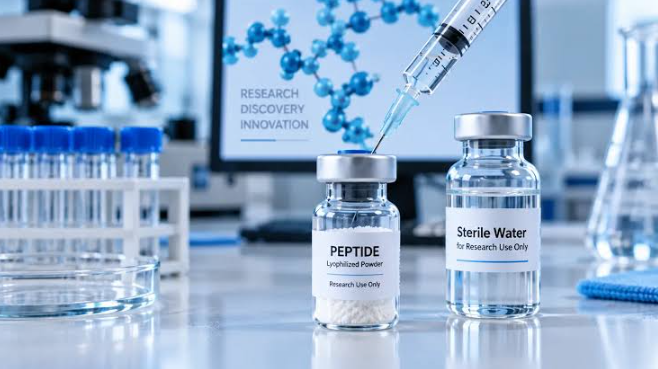
Understanding modern biochemical science requires a deep look into cellular signaling molecules. Among the what are peptides researched signaling chains today are specialized short chain amino acids. Scientific exploration into these compounds has expanded rapidly due to their high specificity and diverse physiological roles.
What Are Peptides and How Do They Work
Peptides are naturally occurring biological molecules consisting of short chains of amino acid residues linked by peptide bonds. They contain between two and fifty amino acids. In contrast, longer unstructured or structured amino acid chains are classified as proteins.
In living organisms, these short chains act as precise messengers. They bind to specific cell surface receptors, triggering targeted biochemical signals. Because of their defined target specificity, research peptides allow scientists to observe cellular pathways without causing widespread, unintended cellular disruptions.
Primary Benefits of Peptides in Scientific Literature
Researchers study these short amino acid chains across a wide variety of physiological pathways. The key primary areas of investigation include:
- Targeted Receptor Affinity: Highly specific cellular signaling minimize off target receptor activity.
- High Bioavailability: Smaller molecular sizes allow rapid binding and cellular interaction.
- Versatile Applications: Scientific applications range from cell tissue repair to metabolic pathway regulation.
Cellular Signaling Peptides for Muscle Growth and Hypertrophy
Studies focused on tissue development evaluate how peptide therapy regulates growth factors and anabolic pathways. Research targeting muscle growth frequently centers on growth hormone secretagogues and insulin like growth factors.
These compounds stimulate the anterior pituitary gland to release endogenous growth hormone in natural physiological pulses. Researchers analyze these mechanisms to understand:
- Nitrogen retention within cellular skeletal muscle matrix.
- Hyperplasia and hypertrophy in specific muscle fiber types.
- Enhanced protein synthesis following intense physical stress or scientific modeling.
Understanding Metabolic and Weight Loss Peptides
Metabolic regulation is one of the fastest growing fields in molecular biochemistry. Advanced compounds including retatrutide peptide represent a new generation of metabolic research agents.
Unlike single receptor targeting molecules, modern metabolic peptides interact with multiple hormone receptors simultaneously, such as GLP 1, GIP, and glucagon receptors. Investigating weight loss peptides helps scientists analyze several critical metabolic functions:
- Gastric emptying rates and nutrient absorption signals.
- Central nervous system satiety signals and appetite suppression.
- Glucose dependent insulin secretion and enhanced insulin sensitivity.
- Lipid oxidation and brown adipose tissue activity.
Accelerating Cellular Recovery and Tissue Repair
Tissue preservation and rapid structural healing remain key priorities in biochemical research. Specific peptides for recovery demonstrate powerful regenerative effects in cellular models.
Compounds designed for tissue repair focus on upregulating collagen synthesis, cell migration, and blood vessel formation. Scientific observations highlight several distinct structural effects:
- Tendon and Ligament Healing: Enhancing fibroblast migration and structural type I collagen deposition.
- Angiogenesis: Promoting new blood vessel development to transport nutrients to damaged tissues.
- Anti Inflammatory Pathways: Modulating inflammatory cytokine responses to reduce localized swelling and cellular stress.
Applications in Biohacking Supplements and Longevity Research
The integration of peptide research into broader biohacking supplements discussions highlights a paradigm shift toward optimization science. Researchers study peptide supplements to determine their potential in reversing cellular aging markers and protecting organ systems.
Key longevity mechanisms undergoing laboratory investigation include DNA repair signaling, mitochondrial function optimization, and cellular senolytic clearing.
Practical Protocol: How to Reconstitute Peptides
Lyophilized research compounds require precise chemical handling before laboratory analysis. Proper reconstitution ensures accuracy, sterility, and compound stability.
Step 1: Gather Required Materials
Ensure all materials are present in a sterile, temperature controlled space:
- Sterile lyophilized compound vial
- Bacteriostatic water or sterile diluent
- Sterile reconstitution syringe with needle
- Alcohol prep wipes
Prepare the Sterilization Surface
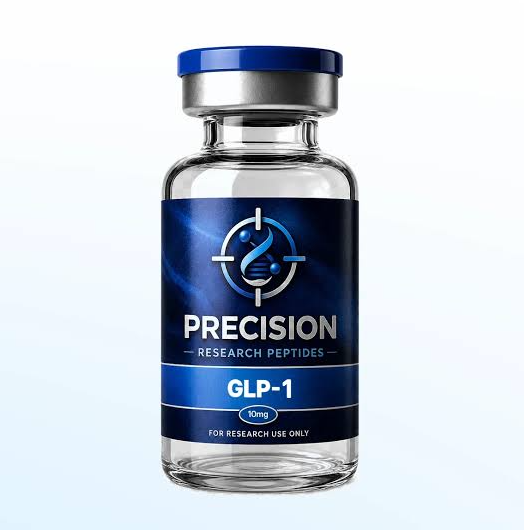
Clean the work area thoroughly. Remove the protective plastic cap from the peptide vial. Wipe the rubber stoppers of both the bacteriostatic water vial and the research vial using fresh alcohol prep wipes. Allow the alcohol to air dry completely.
Withdraw the Reconstitution Liquid
Using a sterile syringe, draw air equal to the desired amount of diluent. Inject the air into the bacteriostatic water vial to equalize pressure, then invert the vial and draw out the exact calculated volume of water.
Add Diluent to the Freeze Dried Powder
Insert the syringe needle into the rubber stopper of the research compound vial. Angle the needle toward the glass wall of the vial so that the liquid drips slowly down the side. Do not spray liquid directly onto the delicate freeze dried cake.
Gently Dissolve the Compound
Once the liquid is added, remove the needle. Swirl the vial gently in a smooth circular motion until the powder dissolves completely. Never shake the vial vigorously, as mechanical agitation can shear delicate peptide bonds and destroy the compound structure.
Proper Cold Storage
Store reconstituted compounds in a dedicated temperature controlled refrigeration unit between 2 and 8 degrees Celsius. Keep vials shielded from direct light exposure.
Conclusion
Research into short benefits of peptides acid sequences continues to transform our understanding of cellular signaling, metabolic control, and regenerative medicine. Whether analyzing muscle tissue growth, examining multi receptor metabolic compounds, or mastering accurate reconstitution techniques, maintaining strict laboratory protocols ensures repeatable scientific outcomes. Advanced peptide exploration remains at the forefront of modern biological research and biohacking innovation.
Publication Year
1
Main Specialization
Engineering
Sub Specialization
Ocean Engineering
Faculty
Faculty of Nursing